Combining 2 drugs could slow nerve cell death in Huntington’s: Study
FA10 shown to boost pridopidine's neuroprotective benefits in cell model
Written by |
Combining pridopidine and FA10, two investigational compounds for Huntington’s disease that target different proteins in the brain, was found to protect against nerve cell death better than either treatment alone.
That’s according to a new study that used a cellular model of the genetic disorder to assess the potential benefits of using these two different therapies together to prevent or slow nerve cell death in people with Huntington’s.
“The combination of these compounds may allow for lower efficacious doses leading to improved safety profiles and reduced off-target effects,” the researchers wrote. Off-target effects are those that affect molecules other than the intended target.
The team noted that “this novel combinatorial approach … may prove to be a highly effective therapeutic strategy for [Huntington’s disease] and other neurodegenerative diseases.”
The study, “Sigma-2 Receptor Antagonism Enhances the Neuroprotective Effects of Pridopidine, a Sigma-1 Receptor Agonist, in Huntington’s Disease,” was published in the journal Molecular Neurobiology. The work was funded by Prilenia Therapeutics, which is developing pridopidine for the treatment of Huntington’s.

In Huntington’s, nerve cells in the brain progressively die off, leading to a range of symptoms that includes movement problems, cognitive decline, and psychiatric issues.
Huntington’s is caused by HTT gene mutations that result in the production of a mutant huntingtin (mHTT) protein, which forms toxic clumps inside nerve cells, promoting their death.
No Huntington’s treatment to date can slow disease’s progress
While available treatments can help ease symptoms and improve quality of life, none can slow the underlying progression of the disease.
Pridopidine is an experimental oral small molecule designed to activate the sigma-1 receptor (S1R), a protein highly present in the brain and spinal cord that promotes the function and survival of nerve cells.
To date, trial data have shown that the therapy slows Huntington’s progression among patients not taking certain standard treatments. Prilenia plans to launch a Phase 3 trial this year testing the therapy specifically in this patient subgroup. Pridopidine is also being tested as a treatment for amyotrophic lateral sclerosis, another neurodegenerative disease.
The sigma-2 receptor (S2R), meanwhile, is another protein highly produced in the brain. Contrary to S1R, its suppression has been shown to be protective in preclinical models of neurodegenerative diseases, specifically Huntington’s, Alzheimer’s, and Parkinson’s. Experimental therapies that block S2R are now being tested for Alzheimer’s and Parkinson’s.
Now, researchers at Prilenia and universities in the U.S. and Italy explored what would happen if a selective S1R activator — namely, pridopidine — and a selective S2R blocker, called FA10, were used together.
The scientists sought to determine whether this combo therapy could enhance neuroprotection beyond what’s been seen with either compound used alone. The work was done in a cellular model of Huntington’s.
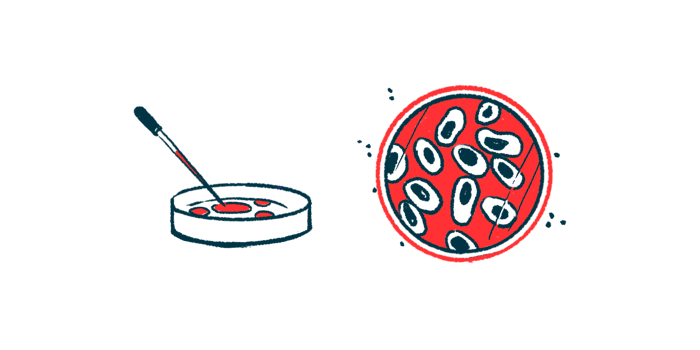
The team used lab-grown nerve cells collected from the brains of mice that were subsequently modified to produce healthy or mutant HTT. The goal was to evaluate the treatment’s effect on cell viability, or the number of healthy cells in a sample.
As expected, there was significantly more cell death among cells that produced mHTT compared with those producing healthy HTT.
When nerve cells producing mHTT were treated with pridopidine alone, cell death was significantly reduced by about 50%, at doses ranging from 0.1 micromole (mcmol) to 10 mcmol, compared with untreated cells. At higher doses, efficacy decreased.
mHTT-producing cells were then exposed to different doses of FA10. Similar to pridopidine, FA10 alone significantly reduced nerve cell death by up to 46%, at a dose of 0.003 mcmol, but higher doses showed no benefit.
When researchers tested different doses of a molecule that activates S2R as a comparison, no significant difference was identified between treated and untreated nerve cells, which “supports the finding that selective [blockage] of the S2R provides a benefit against mHTT-induced toxicity in our assay,” the team wrote.

Drugs together slowed nerve cell death better than either one alone
Next, mHTT-producing nerve cells were treated with both pridopidine and FA10. This was done to determine whether the combination would boost protection against mHTT-induced toxicity, which “could allow for lower doses of a therapeutic compound, thus reducing off-target effects and improving safety profile,” the researchers wrote.
Tests showed that very low doses of pridopidine (0.001 mcmol) and FA10 (0.0001 umol) — which individually produced only modest protection (33% and 32% reduced mHTT-induced toxicity, respectively) — had a significantly stronger effect when combined. Together, the result was a 54% reduction, according to the researchers.
The present findings highlight the importance of a dual-target strategy … as a potential means of achieving enhanced neuroprotection.
The strongest protective effect was found with higher doses of pridopidine (1 umol) and FA10 (0.003 umol), with the combined treatment reducing mHTT-induced toxicity by 74% — a significantly greater effect than either drug alone (52% for pridopidine and 46% for FA10).
The combined benefit increased additively rather than showing synergy, or an effect greater than the sum of the individual effects of the two compounds. The combination also had minimal impact on nerve cells that produced healthy HTT, the data showed.
“The present findings highlight the importance of a dual-target strategy, simultaneous S1R [activation] and S2R [suppression] as a potential means of achieving enhanced neuroprotection,” the researchers wrote. “Future studies should build on these findings to explore sigma receptor-based combination therapies as a versatile platform for treating neurodegenerative and neurodevelopmental conditions.”